Home renovations look simple on mood boards, but real projects live in the land of permits, lead times, dust control, and decisions that compound. The difference between a remodel that hums and one that drags often comes down to process. Contractors, when they do their best work, act like project managers and risk reducers. Homeowners, when they prepare well, create clear lanes and fewer surprises. Pair those two and you get a renovation that lands close to the budget, on a schedule you understand, and with a finish that feels intentional.
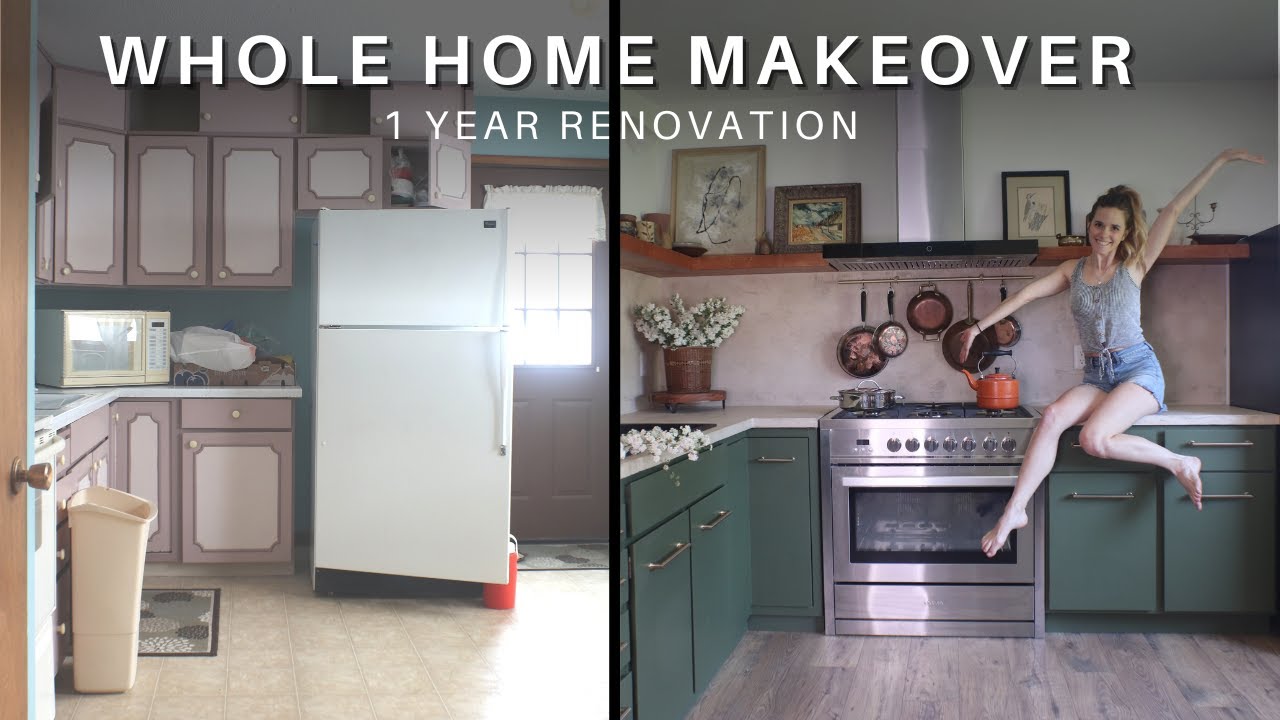
This guide pulls from years of running residential jobs, from tight kitchen remodels in older bungalows to full house reconfigurations with additions. I will keep it practical and specific. If you are planning home remodeling in San Jose or Santa Clara County, I will weave in local notes on permitting, energy code, and seismic work. If your project sits elsewhere, the core playbook still applies.
What a house renovation contractor actually does
A house renovation contractor sits at the intersection of coordination and craftsmanship. They translate drawings into a sequence of tasks, hire and schedule licensed trades, submit permits, order long lead items, manage change orders, ensure compliance with code, and keep you in the loop. On small jobs, the same person may swing a hammer and run the schedule. On larger jobs, the general contractor delegates field supervision to a site lead who is there daily, drives morning trade huddles, and keeps the job log.
Good contractors reduce your risk. They keep an eye on the critical path, enforce inspections at the right time, and say no when a shortcut will cost you more later. In regions like the South Bay, where Title 24 energy standards and mandatory waste diversion come into play, a remodeling contractor in San Jose also acts as your navigator through local submittals, PG&E service upgrades, and green waste receipts.
Start with constraints before you dream
Clients arrive with inspiration folders and big hopes. We welcome that. The first meeting, though, is about constraints. Where the main waste stack runs, whether the panel has spare amperage, how much bearing the wall does that you want to remove, what setback your city enforces on the side yard, how much attic insulation is present, where you will live during the work. These realities shape the design and the budget more than any finish choice.
I like to walk the home with a flashlight and a phone camera, pop access panels, and take attic and crawlspace photos. In postwar ranch homes around San Jose and Santa Clara, it is common to find undersized HVAC returns, galvanized plumbing heading toward the end of its life, and framed openings that tell the story of past remodels. The earlier we surface those, the fewer mid-project surprises we face.
A simple planning checklist that keeps projects sane
- Define the project scope in one paragraph, with must haves and nice to haves. Set a target budget range and a separate 10 to 20 percent contingency. Decide where you will live during construction and how you will handle pets. Hire design help early, from a kitchen remodeling designer to a full architect. Verify permitting path, utility upgrades, and likely inspection milestones.
That one paragraph scope becomes the touchstone when inevitable fork-in-the-road decisions pop up. It guards against scope creep and helps your team, from remodeling consultants in San Jose to specialty subs, quote apples to apples.
Budgeting that matches real cost drivers
Most budget pain comes from underestimating two things: the cost of moving systems and the ripple effect of small layout changes. You can swap kitchen doors and counters without touching plumbing and electrical, and you will keep cost and schedule tight. Punch through a load-bearing wall to create an open plan, and you trigger structural engineering, new beams, upgraded footings, possible shear wall adjustments, drywall, flooring patches, and paint to blend the old and the new. The visual change might be one opening, the work beneath it is a tree with ten branches.
For ballparks in the Bay Area, simple cosmetic updates in a kitchen often land between the mid five figures and low six figures depending on materials, layout, and appliance choices. Full gut kitchen remodels in San Jose CA with layout changes, new electrical to code, and higher end finishes frequently push Basement finishing higher. Bathroom remodeling ranges widely based on size, curbless shower or tub selection, tile complexity, and plumbing relocations. Additions, even modest ones, stack cost quickly because they combine foundation, framing, exterior finishes, roofing, and interior finishes with all the fixed costs of design and permitting.
Basement finishing is less common in California than in colder regions, but converting storage or crawlspace areas to conditioned space triggers tight code requirements. When considering basement renovation contractors, ask early about egress, moisture, and head height before you let design run ahead.
A rule worth repeating: busy urban counties carry higher labor and permit costs. If you price an article on home remodeling in San Jose next to one in a smaller metro, you will see the delta. That is not a markup trick, it is market rate scarcity and regulatory complexity. A clear, detailed scope with a realistic budget buffer beats an optimistic spreadsheet every time.
How contractors price work, and how to choose what fits
There are three primary pricing models you will see for residential remodeling. Each works well in the right context, and each has a failure mode when misused.
- Fixed price. You get a lump sum for a defined scope and finish schedule. Great when the drawings and specifications are tight and existing conditions are well known. Risk to the contractor is higher, so contingencies get baked into the number. Change orders adjust the price for anything outside the contract scope. Cost plus a fee. You pay the actual cost of labor, materials, and subs, plus a contractor fee that is either a percentage or a fixed sum. Transparent and flexible, especially for complex projects with unknowns. Requires trust and strong cost tracking. Without guardrails, it can drift. Time and materials with a not to exceed cap. You pay hourly rates and material cost but set a ceiling. Useful for investigative work or small scopes with discovery. Caps must be realistic, or the job stalls when the ceiling hits.
The best remodeling contractors explain how their fee covers overhead, supervision, warranty, and insurance. They will also be candid about what can be priced tight and what must carry allowances. Cabinetry, tile, and stone often sit in allowances when you want to pick later. Appliances are typically direct purchased by the owner, but coordination for rough in falls to the contractor.
Affordable home remodeling is not a mirage, but affordability comes from aligning scope and spec with budget, not from squeezing reputable trades below market. Savvy homeowners focus savings where they can. You might opt for a factory finished inset cabinet line over full custom on site build, choose a quartz with a simple profile instead of a rare natural stone, or keep plumbing in place and spend on lighting design. That is how you land an affordable home renovation that still feels designed.
Design first, then build, but keep them talking
Separating design from build can lead to exquisite plans that are impractical to execute on time or budget. Merging them without checks and balances can lead to expedient choices that miss the mark on function or style. The sweet spot is collaboration. Hire a kitchen remodeling professional or architect who will sketch with your budget and constraints in mind. Bring a builder in for early pricing and constructability feedback.
I like to schedule a pre-bid walkthrough with the design set at 60 to 80 percent. We invite the trades that will matter most, like electrical, plumbing, HVAC, and tile setters. They point out what will be hard to access, where the shower drain will challenge the joist bay, and how panel capacity affects that induction cooktop you want. We price those realities before the drawings lock.
If you are interviewing remodeling contractors in Santa Clara or looking at a remodeling contractor in San Jose, ask how they handle preconstruction. Do they include a design assist service? Some firms, from boutique outfits to larger shops such as D&D Remodeling and their peers, offer preconstruction agreements that give you scheduling, site surveys, and early procurement in exchange for a small fee. It is money well spent when it pulls risk from the field to the front end.
Permits and inspections without the drama
For much of California, you will touch permits on anything more than simple surface updates. Cities in the South Bay follow the California Building Code with local amendments. Common triggers include moving or adding electrical circuits, reconfiguring walls, changing window sizes, structural modifications, and most plumbing relocations. Title 24 energy compliance comes into play for lighting and mechanical changes. Some municipalities require waste diversion documents that track how much demolition debris you recycle or salvage.
A good contractor builds inspections into the schedule. Electrical rough before insulation, framing sign off before drywall, final inspection timed with appliance install and finish plumbing. Slipping an inspection by a week can ripple through twenty trades. In a kitchen remodel in San Jose CA, for example, coordinating PG&E for meter upgrades can be the long pole. Start that application early and get on their calendar even before demo.
Roofing deserves its own note. If your remodel includes a new roof or a tie in for an addition, coordinate with a roofer early. In Contra Costa County, a roofer in Alamo will be conversant with local wildfire considerations and venting requirements. Vent screens, Class A shingles, and ember resistant details matter both for safety and for approvals.
Schedules that reflect reality, not wish lists
A credible schedule shows working days, not calendar days, and it accounts for lead times. Doors and windows can take anywhere from 3 to 14 weeks depending on brand and customization. Custom cabinets often run 8 to 12 weeks from final drawings to delivery. Stone fabricators typically need cabinets installed and appliances on site for accurate templating, then one to two weeks to cut and install. If your contractor promises a six week full kitchen gut with custom cabinetry, pause and ask where the magic factory is.
I build backward from critical dates. If you have family arriving in mid December, what must be done by late November to allow for punch work and inspection? If you want to avoid rainy season for exterior openings, what happens if the window supplier slips by a week? Honest schedules include buffers. The absence of a buffer is not efficiency, it is denial.
When living in place during a project, phase the work to keep a functional space. For kitchens, set up a temporary sink, microwave, and fridge in the garage or dining room, and expect a few weeks of camping. Good crews respect that, seal openings with zip walls, and clean daily. Clear expectations around work hours, parking, and neighbor notices ease the strain.
Contracts that prevent misunderstandings
Renovation contracts do not have to be adversarial, they do have to be specific. They should capture scope, exclusions, allowances, payment schedule, change order process, site protections, and warranty terms in plain language. If you are comparing bids for home remodeling services, insist that each contractor ties numbers back to the same scope and finish schedule. Apples to apples, always.
Here are five contract items that pay for themselves in clarity:
- A line by line scope of work tied to drawings and a finish schedule with brand, model, and color where known. Allowances for items you will select later, with a clear process for credit or overage. A payment schedule based on milestones, not just dates or percentages. A method for handling hidden conditions, discovery work, and change orders with pricing transparency. Site rules for dust control, protection, daily cleanup, and neighbor communication.
Do not skip insurance verification. Ask for certificates of insurance listing you as additionally insured and request proof of workers compensation. For specialty trades such as bathroom remodeling contractors and electricians, check licensing. You can search state databases in minutes.
Procurement: win or lose the job at the ordering desk
The day you award the job, your contractor should start a procurement log. It lists every item that is not commodity stock, from valves to cabinet pulls, with order dates and lead times. Nothing stalls a job faster than missing rough valves when the plumber is ready or waiting on a shower niche that the tile setter needs to establish layout.
Owners sometimes like to purchase finishes directly. That can work if you commit to the same discipline. Share order confirmations and tracking numbers with the project lead, label deliveries by room, and avoid bargain hunting that swaps SKUs without checking rough in compatibility. A faucet with a different valve body or a range with a side vent instead of a rear can add hours if not flagged.
Kitchen design remodeling often lives and dies at this junction. Custom home remodeling work relies on long lead, custom built goods. If a cabinet maker slips by two weeks, the dominoes fall. Your contractor may choose to frame ahead and pull other work forward, but trades are not always interchangeable. Good planning buys you options when something slips.
Field execution: the rhythm of a good site
Renovation runs best with a steady drumbeat. The site lead opens the job early, trades arrive on staggered starts, and the first thirty minutes set up the day. Short morning huddles cut mistakes. The lead walks the work area, calls out what is critical today, and confirms that inspections or deliveries are on track. Photographs of concealed work matter. When drywall closes, the camera roll becomes your memory of where pipes, wires, and blocking live.
Weekly owner meetings help, even on small projects. Use them to review progress against the schedule, approve small decisions that would otherwise wait, and walk the site with a blue tape roll for early punch items. Waiting until the end to catch alignment issues is stressful. Catching them with the tile setter on day two is easy.
Change orders do not have to be contentious. Treat them as small mini contracts. They should say what changed, why, how it affects cost and schedule, and whether there is any credit. Sometimes you discover hidden rot or an unsafe condition. Other times you simply choose a nicer finish, a Home addition service expands, or a lighting layout grows. Handle each professionally and move forward.
Quality, inspections, and the devil in the details
Quality is not only the final sheen. It is straight framing, proper slope in wet areas, clean electrical work, and well thought blocking behind future fixtures and hardware. Ask to see a shower pan flood test. Ask how the crew plans to insulate and air seal around new windows. These are not gotcha questions, they are signals that you care about what lives under the paint.
Cities require certain inspections, but I like to layer internal checks too. Before insulation, walk the walls with the electrician to confirm box locations and heights against the plan. Before tile, dry lay the first row and check courses against the reference lines. Before the countertop template, verify appliance placements and clearances. Your contractor should welcome this. It is cheaper to prevent than to fix.
For bathroom renovation services, moisture management is everything. Proper membranes, slope to drain, and careful transitions make the difference between a spa that stays crisp and a shower that creeps. Bathroom remodeling contractors who set timeless tile do a few small things consistently: they back butter, they keep lippage tight, and they mock up niche heights with you standing there.
Kitchens that cook, not just look
Kitchens pack more function per square foot than any other room. The classic work triangle still matters, but appliances and habits have changed. Consider adding a 240V line if you think you might go induction in the next five years. Build dedicated circuits for the microwave and dishwasher. LED lighting layered across ambient, task, and accent takes a kitchen from flat to inviting. Under cabinet lighting at 2700 to 3000K brings warmth without glare.
On storage, deep drawers beat fixed shelves for pots and pans. Pull out trash and recycling needs to be planned against plumbing so it does not fight your sink base. If you are tall or short, adjust counter heights and microwave placement. The best kitchen remodeling ideas are tailored, not trendy, and they age far better.
For many families, a kitchen remodel in San Jose CA is part of a broader main level rework. Align the finish palette across rooms so that transitions feel intentional. If you are tying new oak to old floors, plan for a refinish across both to erase seams.
Additions, structure, and the quiet cost of square footage
Home addition contractors will tell you that adding space is a sequence of small and big decisions. Foundation type, tying into existing framing, matching rooflines, and solving for HVAC capacity all matter. The mechanical system might be the silent budget eater, especially if your current furnace and condenser are undersized or old. Plan for load calculations and ducts that actually balance.
On the exterior, matching stucco or siding takes craft. Sun fade makes paint matching hard. Budget for painting entire elevations, not just patched areas, or embrace a two tone approach that breaks the transition at a corner.
If you are thinking basement finishing or a daylight lower level in a sloped lot, moisture drives the design. Vapor barriers, drainage, and dehumidification protect your investment. Residential remodeling contractors who treat water control as the first line item are worth their weight.
Safety, neighbors, and living through it
Renovations shake routines. Good crews mitigate. They hang temporary barriers, place walk off mats, run air scrubbers when cutting inside, and tidy each day. They label shutoffs and give you notice before any service interruption. If you are searching for home remodeling contractors near me and reading reviews, look for notes about cleanliness and communication, not just finish quality.
Think about your neighbors. Share schedules for noisy work, ask the crew to avoid blocking driveways, and keep dumpsters tidy. A small courtesy briefing can buy a lot of goodwill.
Pets and kids need special thought. Establish off limits zones and stick to them. If you work from home, agree on the loud days and plan a different workspace when the concrete saw runs.
Local knowledge: San Jose, Santa Clara, and nearby
A remodeling contractor in San Jose who works the permit counter weekly will save you time. In Santa Clara, certain projects run over the counter while others require plan check. Energy compliance for lighting is strict, so plan for high efficacy fixtures and vacancy sensors. In older areas of Willow Glen or the Rose Garden, seismic details matter. If you open walls, consider adding shear where practical. Many South Bay homes have older 100 amp panels. If you want EV charging, induction cooking, and heat pump HVAC, plan for a panel upgrade or a smart load center.
Roofing, as noted, changes by microclimate. A roofer in Alamo will pay attention to different heat loads and fire risks than one on the coast. If your addition ties into an older roof, budget to reroof more than the tie in area so you avoid a patchwork look and future leak lines.
Finally, the talent pool in the Bay Area is diverse, from single person shops to larger home renovation contractors with in house crews. Some homeowners prefer a professional home remodeling company that handles design build under one roof. Others enjoy handpicking an architect, then bidding the job to several contractors for home renovation. Neither is wrong. What matters is clarity about who leads, who decides, and how information flows.
Where to find and how to vet the right team
Start with referrals and site visits. If you know someone who just finished a kitchen remodeling project, ask to see the result and hear how the process felt. When searching for a home renovation company near me, pay attention to how the first call goes. Do they ask about constraints? Do they set realistic next steps? For Kitchen remodeling near me searches, look beyond glossy photos. Ask contractors to walk you through a recent job budget, line by line. You will learn a lot from how they explain costs and trade sequencing.
Interview two to three firms, not ten. Too many bids spread your energy thin and make it hard to compare. Choose a contractor whose communication style you like. You will share a lot of decisions and a calendar for weeks or months. Chemistry counts.
Aftercare, punch lists, and warranties
The last two weeks of a project test patience. You can see the finish line, but little details slow the sprint. A good punch list makes it manageable. Walk room by room with blue tape and a notepad. Note paint touch ups, cabinet adjustments, caulk lines, and door swings. Your contractor should log each item, assign responsibility, and schedule completion.
Warranties vary, but one year on workmanship is common. Manufacturer warranties for appliances, cabinets, and windows run longer. Keep a digital folder with all product manuals, finish schedules, and paint formulas. Photograph labels on valves and fixtures. That tiny bit of organization saves a lot of hunting when a cartridge needs replacing in three years.
Plan a 30 to 60 day check in after move in. Wood acclimates, doors settle, and grout may need a quick touch. A contractor who shows up for that small service call is a contractor you recommend.
A few closing thoughts from the field
- Design with maintenance in mind. Matte finishes hide smudges better than glossy. Shower glass with treated surfaces stays clearer with less effort. Flush baseboards look sleek but can show every scuff in a busy home. Spend on what you touch daily. Door hardware, faucet handles, drawers that glide, and switches with a solid click give you satisfaction countless times a day. Think in layers, not pieces. Good renovations feel cohesive because materials, lighting, and proportions support each other. House renovation ideas pulled from three styles rarely land as well as one idea done with conviction.
Whether you hire a small crew, a larger team of residential remodeling contractors, or a hybrid with remodeling consultants in San Jose for design and a separate builder, the path is similar. Scope carefully, price honestly, and execute with discipline. Affordable bathroom remodeling and kitchen updates that hold up are built on those habits. The best remodeling contractors do not just build rooms, they build a process that makes the journey as good as the result.
D&D Home Remodeling is a premier home remodeling and renovation company based in San Jose, California. With a dedicated team of skilled professionals, we provide customized solutions for residential projects of all sizes. From full home transformations to kitchen & bathroom upgrades, ADU construction, outdoor hardscaping, and more, our experts handle every phase of your project with quality craftsmanship and attention to detail. :contentReference[oaicite:1]index=1
Our comprehensive services include interior remodeling, exterior renovations, hardscaping, general construction, roofing, and handyman services — all designed to enhance your home’s aesthetic, function, and value. :contentReference[oaicite:2]index=2
Business NAP Details
Business Name: D&D Home Remodeling
Address: 3031 Tisch Way, 110 Plaza West, San Jose, CA 95128, United States
Phone: (650) 660-0000
Email: [email protected]
Website: ddhomeremodeling.com
Serving homeowners throughout the Bay Area, D&D Home Remodeling is committed to transforming living spaces with personalized plans, expert design, and top-quality construction from start to finish. :contentReference[oaicite:3]index=3